General AI Assistants can substantially facilitate the early stages of literature searching. They support the structuring and refinement of research ideas, help identify potential research gaps, and contribute to the development of a precise research question.
They also generate suitable keywords, including synonyms and broader conceptual terms, which enhances the systematic and efficient development of search strategies. Furthermore, by explaining technical terminology, contextualizing historical developments, or simplifying complex theoretical concepts, AI Assistants help close knowledge gaps and strengthen the conceptual foundation for conducting a literature review.
General AI Assistants include, among others:
The precise formulation of Prompts is crucial for achieving effective results.
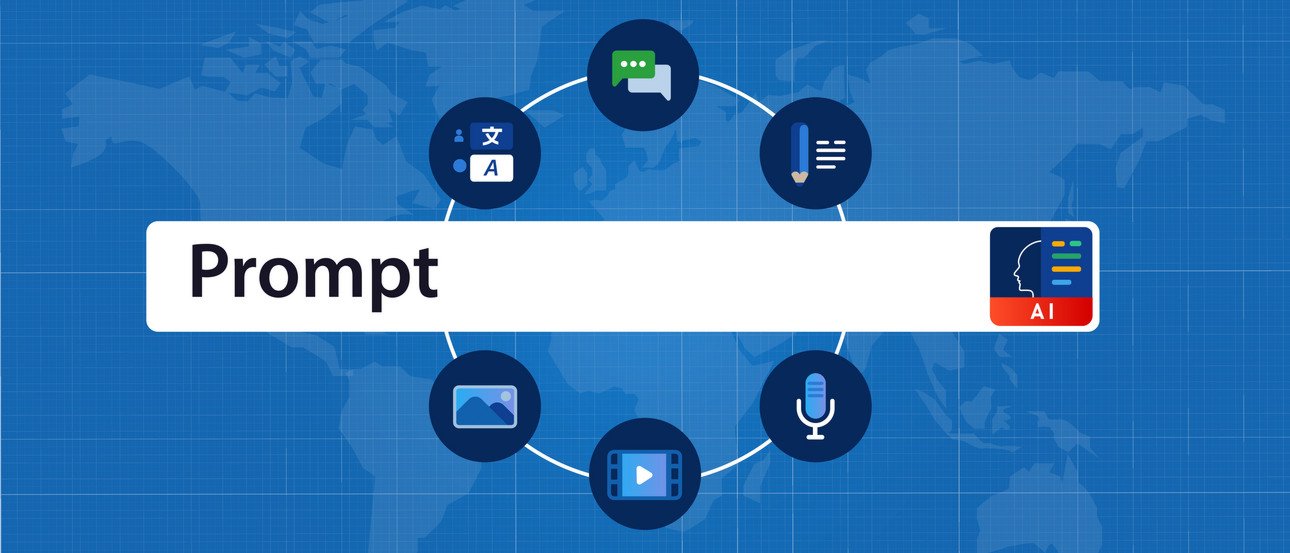
A well‑crafted prompt is essential for obtaining meaningful results from an AI system.
The more clearly and logically you formulate your instruction, the more effectively the AI can search and produce relevant outputs. Depending on the context of use, this includes defining the disciplinary background, the time frame, and the key search criteria, as well as specifying the intended audience, the preferred style, and the desired format. Providing concrete details helps prevent vague or overly broad responses.
The iterative process is especially important: test different phrasings, ask for feedback, and gradually refine your prompts.
In this way, you can minimize AI weaknesses such as inaccurate answers or hallucinations and achieve the best possible results.
1. Define Your Goal
2. Provide a Precise Initial Instruction
3. Specify the Target Audience
4. Define the Language and Writing Style
5. Clarify Your Preferred Format
6. Add Key Details
7. Assign a Role to the AI
8. Refine the Prompt Step by Step